SFM Compile
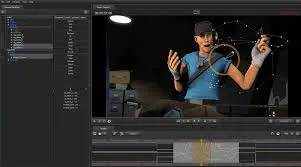
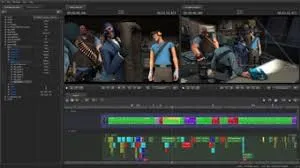
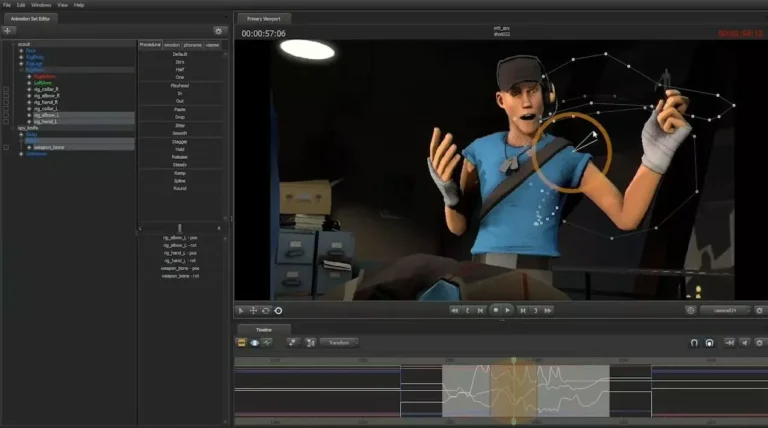
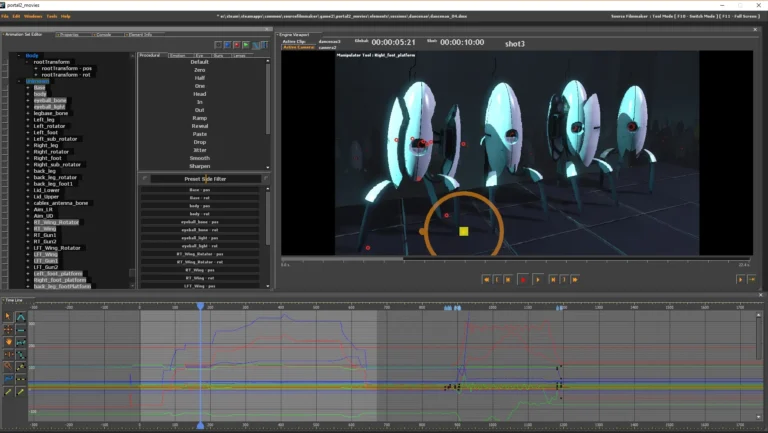
Source Filmmaker (SFM) is a powerful animation and filmmaking tool developed by Valve. It allows creators to produce high-quality cinematic sequences, memes, machinima, and compilation videos. One of the most critical steps in producing polished SFM content is compiling your project. Often searched as sfm compile, this process transforms your scenes into final, playable video files. Understanding SFM compiling is essential for both beginners and advanced animators who want smooth, professional-quality animations.
This guide explores everything about SFM Compile, from its technical meaning to practical tips, common errors, community resources, and best practices for achieving optimal results.
What Is SFM Compile?
At its core, SFM compile refers to the process of rendering a Source Filmmaker scene into a final output video. When you work in SFM, you manipulate models, textures, lighting, cameras, and animation sequences inside the editor. These changes appear in real-time in the viewport, but this preview is not a final video. Compiling ensures that all these elements are properly process, producing a high-quality, playable output file.
The compile process consolidates:
- Models and rigs: Characters, props, and environments
- Animations: Pose sequences, motion layers, and choreography
- Lighting and shadows: Dynamic lighting effects applied to scenes
- Camera movements: Motion blur, angles, and depth of field
Without compiling, animations may appear choppy, misaligned, or incomplete. The process is essential to ensure the integrity and stability of your SFM projects.
Technical Overview of SFM Compile
When performing an SFM compile, several technical aspects are processed simultaneously:
- Scene Rendering: All 3D models and environments are converted into frames according to the timeline.
- Animation Consolidation: Motion data for characters and objects is merged into the final frames.
- Lighting Processing: Dynamic and static lights are computed, ensuring accurate shadows and shading.
- Camera Effects: Any depth-of-field, motion blur, or angle adjustments are applied.
- Final Export: The compiled sequence is exported into a video file format such as AVI or MP4.
SFM Compile vs Preview Render:
- Preview Render: Shows a quick simulation in the editor for checking movement and timing.
- Compile: Produces the final output video with full resolution, lighting, and effects.
Why Compiling Matters
Proper SFM compile is crucial for multiple reasons:
- Quality: Final output looks professional with smooth motion and proper lighting.
- Stability: Reduces crashes and frame errors during playback.
- Performance: Optimizes large projects for export without missing assets.
- Consistency: Ensures that animations, textures, and effects are accurately represent in the final video.
Without a correct compile process, even a well-animated scene can appear broken or incomplete, causing frustration for animators and potential delays in content creation.
Common Errors in SFM Compile
Beginners often encounter errors during compiling. Some of the most frequent issues include:
- Missing models or textures: Assets not properly linked or downloaded from sources like sfmlab or SFM Workshop.
- Broken rigs: Animation skeletons may not align correctly if a model is imported incorrectly.
- Memory overflow: Large projects with many high-polygon models can exceed system memory.
- Shading errors: Lights or shaders may not render properly, causing visual inconsistencies.
- Command typos: Many users mistakenly type commands like sfm compiel, sfm compule, or sfm conpile, leading to compile failures.
Solutions include checking asset paths, reducing scene complexity, updating drivers, and using correct sfm commands. Communities such as SFM Club provide detailed tutorials and support for troubleshooting these errors.
How to Perform SFM Compile
Prepare Your Project
- Organize your files into separate folders: models, textures, props, and scenes.
- Ensure all models are download from reliable sources like SFM Workshop or sfmlab.
- Double-check that rigs are correctly apply and animations are properly aligned.
Adjust Render Settings
- Open the Render Settings panel.
- Choose resolution, frame rate, and output format (AVI or MP4).
- Enable or disable motion blur and depth-of-field based on project requirements.
Run SFM Compile
- Use the File → Export → Render Movie option in SFM.
- For more advanced users, the sfm command in the console allows precise control over rendering parameters.
- Monitor the rendering process for errors. If a model is missing or textures fail, SFM will log warnings.
Review and Edit
- After compiling, watch the video for visual glitches.
- If issues appear, revisit the project, correct asset errors, and recompile.
- Save the final version for publishing or sharing.
Best Practices for SFM Compile
- Use Low-Resolution Drafts First: Compile a smaller version to identify errors quickly.
- Optimize Models: Use low-polygon models where possible to reduce memory usage.
- Check Lighting and Shadows: Improperly placed lights can cause render issues.
- Organize Assets Properly: Misplaced textures or models can break the compile.
- Leverage Community Resources: Tutorials from SFM Compile Club, sfmlab, and SFM Workshop are invaluable.
Community and Collaboration
SFM Compile is not just a technical process—it’s also a community-driven practice. The SFM Compile Club is a hub where animators share tips, tutorials, and ready-to-use templates for compiling scenes efficiently. Members can participate in collaborative projects, competitions, and video compilations that showcase creativity while learning proper compile techniques.
Platforms like Discord and forums allow users to discuss mistakes, share fixes, and provide support for common errors. Learning from experienced members accelerates the mastery of sfm compile and helps avoid frustrating trial-and-error scenarios.
SFM Compile in Video Content Creation
SFM compilation videos are a popular genre, combining multiple short animations or memes into one cohesive video. Proper compiling is essential here because:
- It ensures all scenes are render consistently.
- Helps synchronize audio and animations.
- Maintains video quality across multiple clips.
Creators frequently share their compilation templates, lighting setups, and rigs through communities like SFM Compile Club, which helps streamline the compile process and achieve professional results faster.
Conclusion
SFM Compile is a critical step in the Source Filmmaker workflow, turning raw animation projects into polished, playable videos. Mastering this process requires understanding the technical aspects of compiling, organizing assets, troubleshooting errors, and applying best practices.
Communities such as SFM Compile Club, along with resources from sfmlab and SFM Workshop, are invaluable for both beginners and advanced animators. They provide guidance, templates, and collaborative opportunities that make compiling scenes more efficient and professional.
Whether you are creating memes, machinima, or cinematic shorts, mastering sfm compile ensures your work is visually polish, stable, and ready for sharing across platforms like YouTube, TikTok, or social media. With proper practice, knowledge, and community support, animators can fully harness the power of Source Filmmaker and elevate their creative projects.