SFMCompile
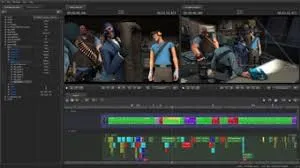
SFMCompile is a widely searched term in the Source Filmmaker (SFM) community, often representing both the process of compiling animations and the broader workflow of rendering high-quality videos. As an essential step in producing polished SFM content, understanding sfmcompile is critical for animators, meme creators, machinima enthusiasts, and professional content creators.
Whether you are new to Source Filmmaker or a seasoned animator, mastering sfmcompile ensures that your projects are optimized, error-free, and visually impressive. This article explores everything about sfmcompile, including its meaning, technical workflow, common errors, community resources like SFM Compile Club, and practical tips for improving animation projects.
What Is SFMCompile?
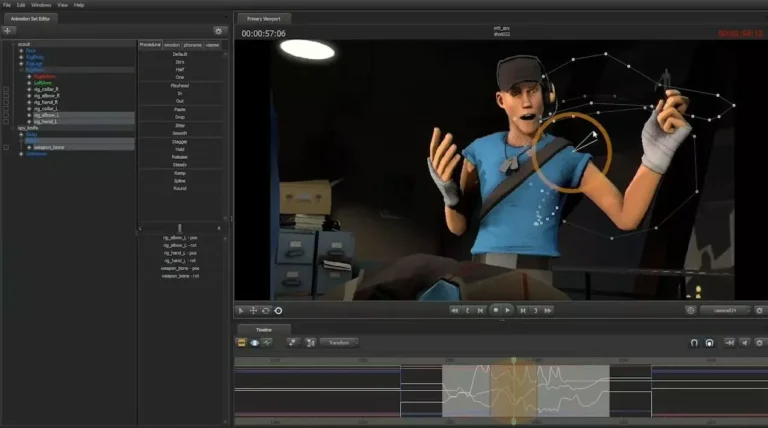
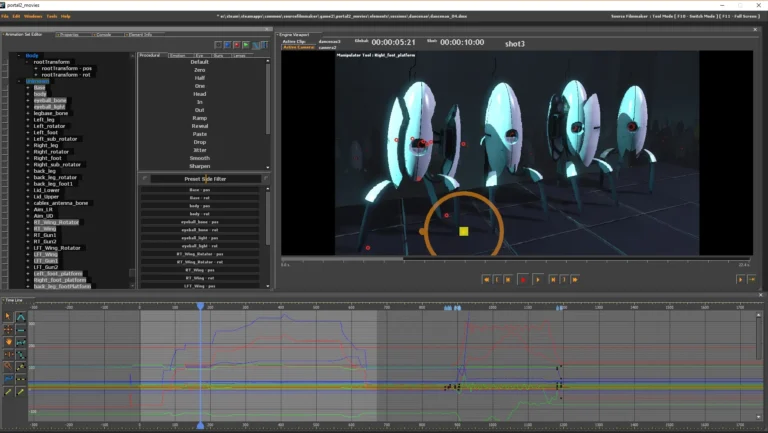
At its core, sfmcompile is the process of converting a Source Filmmaker scene into a final rendered video. Unlike preview mode, where animations are displayed in real-time for editing, sfmcompile generates a polished video output with all animations, lighting, camera movements, and effects applied correctly.
The sfmcompile process is vital for:
- Producing stable and playable animations
- Optimizing render performance for large or complex scenes
- Ensuring that all assets, including models, rigs, and textures, display correctly
- Combining multiple animation sequences into a final, cohesive SFM compilation
Many beginners search for terms like sfm compile, sfm compiel, or sfm compule when trying to understand or troubleshoot this process, highlighting the importance of accurate guidance and tutorials.
The Technical Side of SFMCompile
SFMCompile involves several technical steps that process all components of your SFM project:
- Scene Consolidation – All 3D models, props, and environments are included in the compilation.
- Animation Merging – Character poses, motion layers, and choreography are converted into frame sequences.
- Lighting Processing – Dynamic and static lighting, including shadows and shaders, is calculated for final output.
- Camera Effects Application – Depth-of-field, motion blur, and camera angles are applied to enhance cinematic quality.
- Rendering Output – The final video is exported in formats like AVI, MOV, or MP4, ready for editing or publishing.
Unlike preview renders, which are low-quality and designed for quick edits, sfmcompile ensures every detail is represented accurately in the final video.
Why SFMCompile Is Important
Compiling in SFM is more than just a technical necessity—it directly impacts the quality and professionalism of your content. The key benefits include:
- High-quality output: Ensures smooth motion, accurate lighting, and professional visuals.
- Error detection: Reveals missing assets, broken rigs, or animation glitches before final publishing.
- Performance optimization: Reduces system strain by properly processing large animation scenes.
- Consistency: Maintains the integrity of your models, textures, and effects across multiple scenes in a compilation.
Without proper sfmcompile, even the best animation sequences may appear incomplete or broken, resulting in frustration and additional work.
Common Mistakes and Errors in SFMCompile
Several common errors occur during sfmcompile, often caused by user mistakes, system limitations, or asset issues:
- Missing models or textures – Often due to incorrect file paths or incomplete downloads from sfmlab or SFM Workshop.
- Broken rigs or misaligned animations – Improperly applied skeletons can ruin character movement.
- Memory overload – Large projects with multiple high-polygon models can exceed system limits.
- Shading or lighting issues – Misconfigured lights or shaders can cause inconsistencies in the final render.
- Typographical errors in commands – Users sometimes type sfm complie, sfm compiel, or sfm compule, causing compile failures.
Joining communities like SFM Compile Club or consulting tutorials helps mitigate these issues, offering solutions, advice, and shared resources for smoother compilation workflows.
How to Perform SFMCompile Step by Step
Project Preparation
Before compiling, organize your project carefully:
- Separate files for models, props, textures, and environments
- Verify that all assets are correctly downloaded from sfmlab or SFM Workshop
- Check that rigs, skeletons, and animations are properly aligned
Adjust Render Settings
- Open Render Settings in SFM
- Choose the desired resolution, frame rate, and output format (AVI, MOV, MP4)
- Enable motion blur or depth-of-field if required for cinematic effect
Compile the Scene
- Use File → Export → Render Movie for standard compilation
- Advanced users can use the sfm.compile console command for full control over render options
- Monitor the process for missing assets or errors
Review and Recompile
- Watch the compiled video for glitches or animation errors
- Fix issues by checking asset paths, reducing scene complexity, or correcting rig problems
- Recompile as necessary for the final polished output
Best Practices for SFMCompile
- Draft Compilation First: Render a low-resolution draft to catch errors quickly.
- Optimize Models: Use low-poly assets when possible to reduce memory usage.
- Organize Assets: Keep textures, models, and rigs in clearly labeled folders.
- Use Consistent Naming: Prevent confusion and reduce compile errors.
- Leverage Community Resources: Tutorials and templates from SFM Compile Club, sfmlab, and SFM Workshop streamline workflow.
SFMCompile and Community Support
SFMCompile is not just a technical process; it’s also a community-driven practice. The SFM Compile Club provides guidance, templates, and tutorials to help animators troubleshoot errors, improve efficiency, and collaborate on projects. Discord servers, forums, and social media groups allow creators to share knowledge, fix common compile errors, and even participate in collaborative SFM compilation videos.
By interacting with the community, users learn about:
- Efficient rendering techniques
- Correct use of sfm.compile commands
- Lighting, camera, and timeline optimization
- Avoiding common spelling errors like sfmcomplie or sfmcompilr
SFMCompile in Video Content Creation
SFM compilation videos are hugely popular on YouTube, TikTok, and Instagram. These videos often combine multiple short animations, memes, or gaming sequences into a single entertaining package. Proper sfmcompile ensures:
- Consistent visual quality across clips
- Correct audio synchronization
- Smooth transitions and motion between scenes
Communities such as SFM Compile Club often share pre-made templates, lighting setups, and rigs, making compilation creation faster and easier.
Conclusion
SFMCompile is a fundamental step for anyone using Source Filmmaker. It ensures that animations, models, lighting, and camera work are accurately rendered into high-quality final videos. Mastering sfmcompile reduces errors, optimizes performance, and improves the overall quality of SFM compilation projects.
Communities like SFM Compile Club, along with platforms like sfmlab and SFM Workshop, provide invaluable support, resources, and collaboration opportunities. Whether you are creating memes, machinima, or cinematic shorts, mastering sfmcompile is the key to producing professional, polished content and sharing it with a wider audience.